
UNDERSTANDING HOUSING IN SOUTHWEST MONTANA
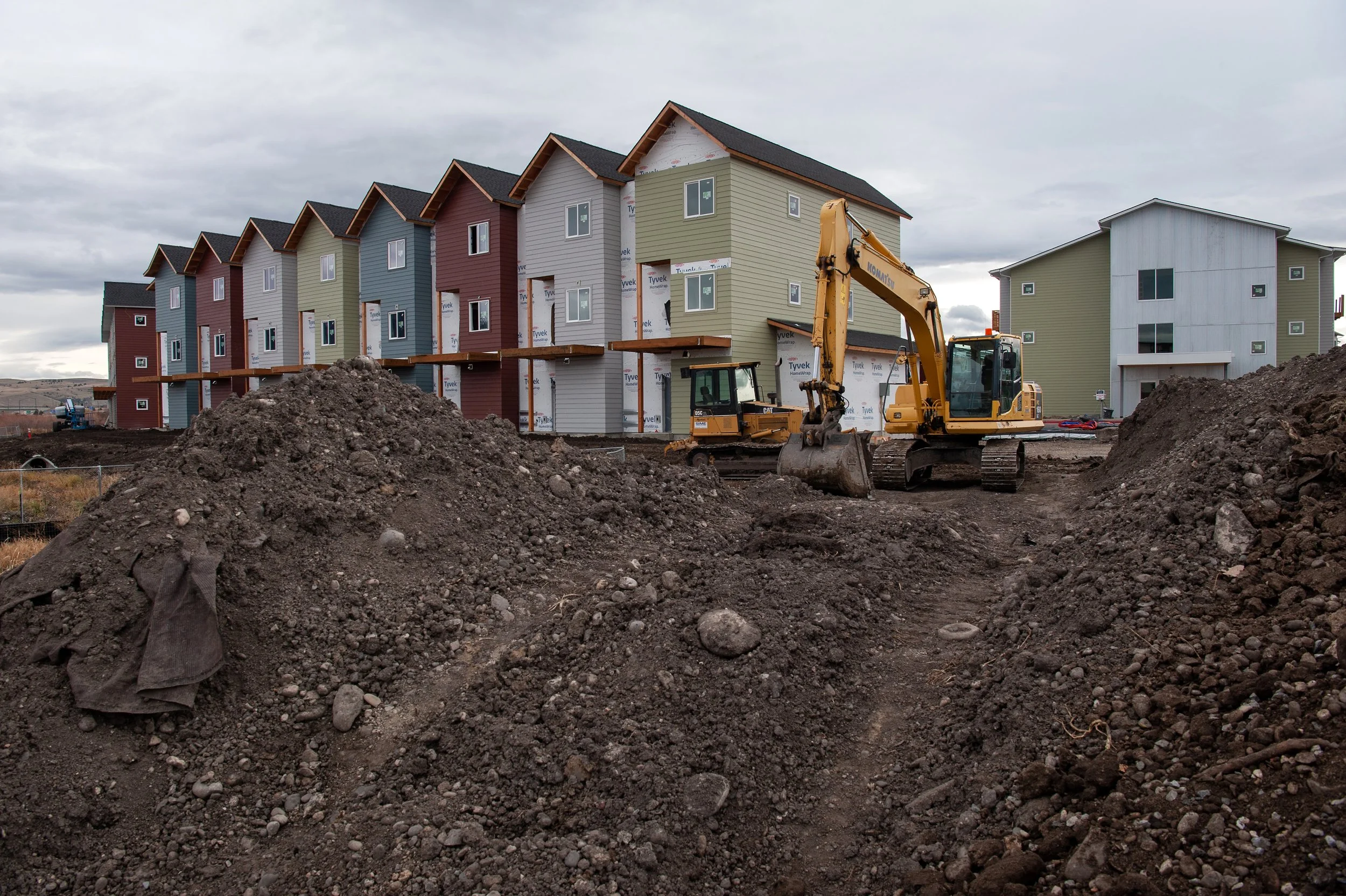
Housing in Southwest Montana is changing. New homes are being built, rental options are increasing, and significant investments in affordable housing are beginning to make a difference. At the same time, many households still face challenges finding housing that fits their needs and budget. Understanding where progress is happening (and where gaps remain) helps our community continue building solutions that work.
Housing Snapshot
Southwest Montana’s housing market is changing. In Gallatin County, thousands of new multifamily homes have recently entered the market, vacancy rates for newer rentals have increased, and a strong pipeline of rent-restricted housing is moving forward. These are important signs of progress. At the same time, many households still face a gap between what housing costs and what they can afford.
New housing is beginning to change the market
As more apartments come online, some renters are seeing more options than in recent years. This new supply matters, and it is an important part of the region’s long-term housing solution.
More below-market homes are on the horizon
Gallatin County has a robust pipeline of rent-restricted housing, including 1,155 new LIHTC homes and an additional 965 homes pending.
Many renters are still cost-burdened
Even with new supply, 43% of Gallatin County’s 19,251 renter households were rent-burdened last year, and 4,100 were severely rent-burdened.
Rent and income still do not fully align
Rent affordable to a median renter household is about $1,712, which is roughly $375 short of the fair market rent for a two-bedroom home.
Who Is Affected
Our Community Needs Assessment adds community voice to the data. Residents and partners continue to identify housing as a top concern, while also recognizing that local action is making a difference. The question is not whether new housing is helping. It is how we continue building the right mix of housing for the households still being left behind.
Housing remains a top need
Community members continue to point to housing affordability as one of the most important issues affecting household stability, workforce retention, and long-term community well-being.
New homes are creating momentum
Existing below-market rental inventory in the Bozeman area is estimated at 1,524 homes, and the proposed pipeline could more than double the number of below-market rentals in Gallatin County.
The need is becoming more specific
As supply improves, the sharpest gaps are increasingly clear: deeply affordable housing for households with very low incomes and attainable homeownership options for renters ready to take the next step.
What Our Needs Assessment Adds
The housing picture is not the same for every household. Recent supply has helped ease pressure in parts of the rental market, but the rungs of the housing ladder remain far apart for households with very low incomes and for renters trying to move into homeownership.
The deepest affordability gaps remain
Households below 40% of Area Median Income continue to face long waitlists for subsidized housing, limited deeply affordable options, and a higher risk of needing emergency shelter or transitional housing.
Many households are renting for longer
Renter household incomes have risen, but many households still cannot find a realistic path into ownership. As higher-income households remain in rentals longer, it can increase pressure throughout the rental market.
Homeownership is still difficult to reach
Even entry points into the Gallatin Valley ownership market can require monthly mortgage payments over $3,000, which often means a household needs a six-figure income to comfortably afford a home.
Explore the Data
Understanding housing progress and remaining challenges requires looking at regional trends in housing supply, affordability, wages, and population growth. The resources below provide a deeper look at housing conditions across Southwest Montana.
Explore the Housing Dashboard
View regional housing trends, affordability data, and key metrics through the Gallatin County Housing Dashboard developed by community partners.
Gallatin Valley Housing Report
A regional overview of housing trends, new supply, affordability, and local market conditions.
View Report →Southwest Montana Realtor Market Statistics
Explore current housing market data including home prices, inventory, and sales trends.
Explore Market Stats →Rental Affordability in Montana
An analysis of the relationship between rental costs, wages, and household affordability across Montana.
Read the Analysis →Out of Reach Report
Explore national, state, and local data showing the relationship between wages and the cost of rental housing.
Explore the Report →How HRDC Responds
There is reason for hope. HRDC, local governments, community partners, developers, funders, and residents have made significant progress since the last strategic plan. HRDC’s role is to keep working across the housing continuum: helping people stay housed today, supporting deeply affordable rentals, preserving existing homes, and creating long-term paths to homeownership.
Building housing that meets local needs
HRDC supports and develops housing projects that add long-term, rent-restricted homes for people who live and work in Southwest Montana.
Explore housing developments →Helping households stay stable
Rental assistance, housing navigation, stabilization services, and supportive housing help households avoid crisis and move toward long-term stability.
View rental assistance →Protecting affordability over time
Preserving existing housing helps maintain community assets and protect affordability as the region grows and market conditions change.
Learn about preservation →Creating attainable paths to ownership
Community land trust strategies help create homeownership opportunities that remain affordable for future generations.
Learn about the trust →